










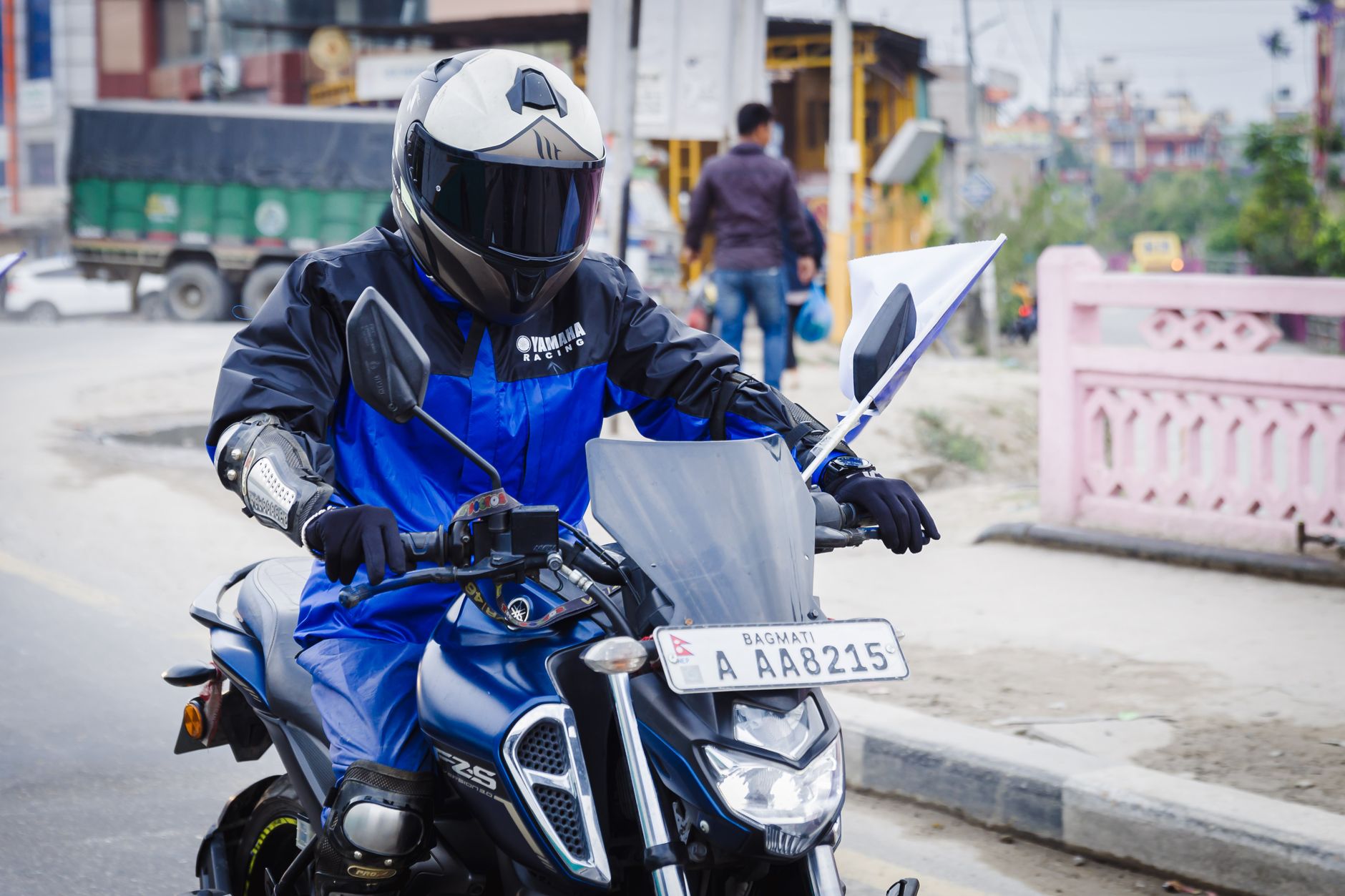

Yamaha Fz Blue Flex Launch marked a significant step forward in motorcycle technology, showcasing the innovative Blueflex engine that offers impressive fuel flexibility. The Factor DX motorcycle, unveiled in July 2025 in Brazil, is powered by a 149cc single-cylinder SOHC engine capable of running on 100% ethanol, 100% petrol, or any blend of the two. Priced at BRL 18,990 (around ₹3.64 lakh), this bike aims to capitalize on Brazil’s thriving ethanol infrastructure. As Yamaha embraces cleaner mobility solutions, the introduction of flex-fuel technology signals the potential for future models in markets like India, contingent on the evolution of the ethanol framework.
Yamaha’s Factor DX features a versatile engine that adjusts power output based on the fuel type.
The emphasis on ethanol supports renewable energy use in transportation, aligning with global sustainability trends.
As the market evolves, flex-fuel technology could pave the way for innovative models in regions with growing ethanol supplies.
Yamaha FZ Blue Flex Launch: Introducing the Factor DX Motorcycle
Yamaha has launched the Factor DX motorcycle in Brazil, showcasing its innovative Blueflex engine technology. This cutting-edge system empowers the bike to run on 100% ethanol, 100% petrol, or any combination of the two, reflecting a significant advancement in flex-fuel capabilities. Priced at BRL 18,990 (approximately ₹3.64 lakh), the Factor DX exemplifies both economic and environmental benefits, particularly in a market where ethanol is widely accessible.
Engine Specifications
The Factor DX is equipped with a 149cc single-cylinder SOHC engine that delivers:
- Power Output:
- 12 bhp on ethanol
- 11.8 bhp on petrol
Yamaha’s commitment to flex-fuel technology could indicate future offerings in countries like India, contingent on the growth of the ethanol infrastructure.
Environmental Commitment
By championing ethanol—a renewable fuel primarily derived from sugarcane—Yamaha positions the Factor DX alongside the global shift towards cleaner transportation solutions. A representative from Yamaha remarked, “By supporting ethanol… we align the Factor DX with growing trends toward cleaner mobility solutions.”
This launch marks a pivotal moment for the motorcycle industry, indicating a broader acceptance of alternative fuel sources that could reshape mobility in various regions around the world.
Key Features of the Factor DX
| Feature | Specification |
|---|---|
| Engine Type | 149cc Single-cylinder SOHC |
| Power (Ethanol) | 12 bhp |
| Power (Petrol) | 11.8 bhp |
| Price | BRL 18,990 |
Yamaha’s strategy seems to align well with increasing consumer interest in sustainable transportation options, potentially accelerating the Yamaha FZ Blue Flex Launch’s impact in the motorcycle market.
Economic and Environmental Impact of Flex Fuel Technology
The launch of the Yamaha FZ Blue Flex highlights not only technological innovation but also significant economic and environmental implications of flex fuel technology. By enabling the Factor DX motorcycle to run on both ethanol and petrol, Yamaha contributes to a more sustainable transportation ecosystem.
Economic Benefits
- Cost-Effective Fuel: Ethanol, derived predominantly from sugarcane in Brazil, is often cheaper than petrol, making it a favorable choice for consumers.
- Local Industry Support: Utilizing domestically produced ethanol stimulates local agriculture and helps boost the economy.
Environmental Advantages
- Reduced Emissions: Ethanol combustion typically results in lower greenhouse gas emissions compared to traditional fossil fuels, contributing to cleaner air quality.
- Renewable Energy Source: The use of ethanol promotes renewable energy efforts, aligning with global trends towards sustainable mobility.
| Aspect | Ethanol Use | Petrol Use |
|---|---|---|
| Emissions | Lower GHG emissions | Higher GHG emissions |
| Resource Nature | Renewable (sugarcane) | Non-renewable (fossil fuel) |
| Cost | Generally lower | Can be more expensive |
As Yamaha explores this technology, it reflects a broader commitment to environmentally friendly solutions in the mobility sector. With the Factor DX priced competitively, it may influence future markets, including India, depending on the ethanol infrastructure’s evolution.
Engine Specifications and Performance of the Factor DX
The Factor DX motorcycle, introduced during the Yamaha FZ Blue Flex launch, boasts a robust and efficient engine. Equipped with a 149cc single-cylinder SOHC engine, the Factor DX delivers impressive performance tailored to the flex-fuel technology it employs.
Power Output
- Ethanol Performance: 12 bhp
- Petrol Performance: 11.8 bhp
This slight variation in power output between ethanol and petrol emphasizes the motorcycle’s versatility, allowing riders to choose their preferred fuel without compromising performance. Its design benefits from the ability to seamlessly transition between fuel types, making it an excellent choice for consumers in Brazil, where ethanol is both economical and environmentally friendly.
Fuel Efficiency and Sustainability
The incorporation of ethanol aligns with the push for sustainable mobility options while capitalizing on Brazil’s existing ethanol infrastructure. This flexibility in fuel sources places the Factor DX at the forefront of Yamaha’s innovation, potentially influencing future models in markets where ethanol adoption continues to grow.
| Feature | Ethanol | Petrol |
|---|---|---|
| Engine Capacity | 149cc | 149cc |
| Power Output | 12 bhp | 11.8 bhp |
As consumers increasingly seek vehicles that support cleaner energy sources, Yamaha’s approach with the Factor DX highlights its commitment to evolving automotive technology in line with global sustainability goals.
Future Prospects for Yamaha’s Ethanol Models in Global Markets
Yamaha’s FZ Blue Flex launch with the Factor DX motorcycle marks a significant shift towards flex-fuel technology, especially appealing in markets with established ethanol infrastructure. As the global demand for cleaner mobility solutions grows, Yamaha’s strategic decision to incorporate flex-fuel capability places the brand in a forward-thinking position.
Market Adaptation
- Brazil’s Ethanol Advantage: The launch occurred in Brazil, where ethanol derived from sugarcane is abundant and cost-effective, proving favorable for consumer adoption.
- India’s Potential: If the ethanol infrastructure continues to develop, Yamaha could expand its flex-fuel offerings, capitalizing on similar economic and environmental benefits.
Consumer Awareness
Yamaha’s emphasis on the environmental benefits of using ethanol aligns with global trends towards sustainability. As consumers become more environmentally conscious, the appeal of ethanol-powered vehicles may rise.
| Factor | Ethanol | Petrol |
|---|---|---|
| Power Output | 12 bhp | 11.8 bhp |
| Environmental Impact | Renewable | Non-renewable |
Future Models
The success of the Factor DX could pave the way for additional models featuring ethanol technology, aligning with the industry’s pivot towards sustainable fuel sources. Yamaha’s commitment to cleaner fuel options not only meets consumer demand but also positions the company as a leader in the evolving motorcycle market.
Overall, the Yamaha FZ Blue Flex launch indicates a promising trajectory for ethanol engines as global markets adapt to increasingly sustainable practices.
Frequently Asked Questions
What sets the Yamaha FZ Blue Flex apart from other motorcycles in its class?
The Yamaha FZ Blue Flex distinguishes itself with its innovative flex-fuel technology, allowing riders to use 100% ethanol, 100% petrol, or various blends of the two. This flexibility enhances performance and promotes sustainability through renewable fuel options.
How does the Factor DX impact Brazil’s fuel market?
With the introduction of the Factor DX, Yamaha’s emphasis on flex-fuel technology could stimulate greater interest in ethanol as a viable fuel source. This shift might encourage consumers to opt for more sustainable fuel options, potentially influencing regional fuel pricing and encouraging further development of ethanol infrastructure.
Are there plans for Yamaha to introduce flex-fuel models in other countries?
While the current focus is primarily on Brazil, Yamaha’s launch of the Factor DX suggests that if the ethanol infrastructure improves in other markets, including India, they may consider introducing additional models featuring flex-fuel technology. The company seems committed to aligning its products with the growing demand for cleaner transportation solutions globally.
How does the performance of the Factor DX compare when running on ethanol versus petrol?
The Factor DX motorcycle delivers slightly higher performance while running on ethanol, providing 12 bhp compared to 11.8 bhp when using petrol. This difference highlights the advantages of ethanol as a fuel option.
What environmental benefits does the Yamaha FZ Blue Flex technology provide?
By utilizing ethanol derived from sugarcane, the Factor DX contributes to reduced greenhouse gas emissions compared to traditional petrol. This aligns with global movements towards cleaner mobility solutions, making the motorcycle an eco-friendly alternative for consumers.
Conclusion
The Yamaha FZ Blue Flex Launch represents a significant milestone for Yamaha in Brazil, showcasing their innovative Factor DX motorcycle equipped with pioneering Blueflex engine technology. By offering the flexibility to operate on pure ethanol, petrol, or a blend of both, this model aligns perfectly with the local market’s emphasis on economical and environmentally friendly solutions. Priced at BRL 18,990, the Factor DX not only highlights Yamaha’s commitment to cleaner mobility but also sets the stage for potential future models in various markets, contingent on the development of ethanol infrastructure. As global trends shift towards sustainability, consumers can look forward to the exciting possibilities that this launch may bring.