










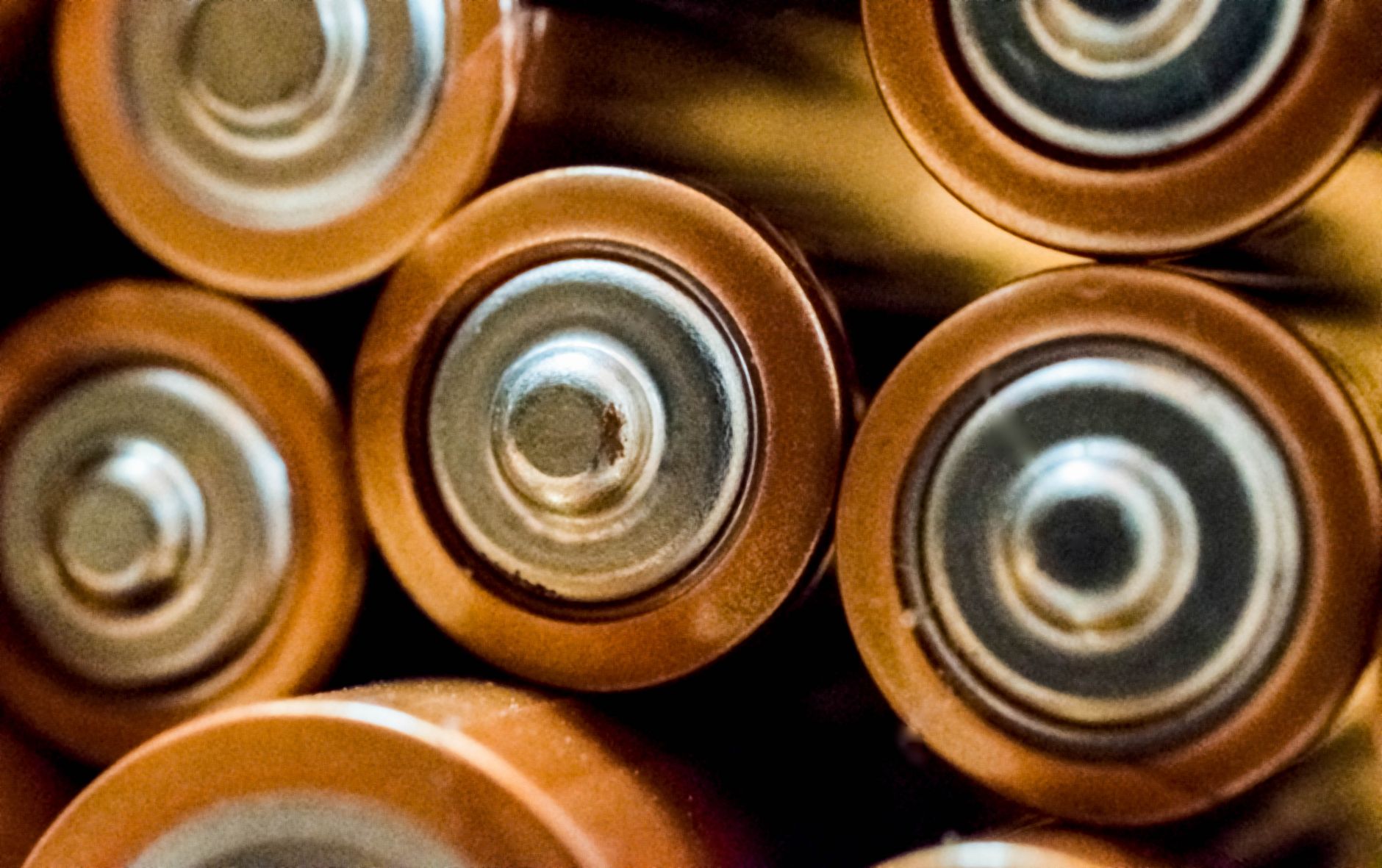
NexTech Batteries in orbit has achieved a significant milestone with their lithium-sulfur cells successfully operating aboard NearSpace Launch’s SPEAR-1 mission.
Overview of NexTech Batteries’ Mission
NexTech Batteries has embarked on a groundbreaking mission to enhance energy solutions in space with their advanced lithium-sulfur cells. These innovative batteries are currently in orbit aboard NearSpace Launch’s SPEAR-1 mission, marking a significant milestone in the company’s journey.
The primary objective of NexTech Batteries is to showcase the durability and efficiency of lithium-sulfur technology in the harsh conditions of space. This mission aims to validate the performance of these batteries under real-world space environments, providing crucial data for future applications.
Key features of NexTech Batteries’ mission include:
- Durability: Designed to withstand extreme temperatures and radiation.
- Efficiency: Promises higher energy density compared to traditional lithium-ion batteries.
- Environmental Impact: Utilizes more sustainable materials, reducing ecological footprint.
This initiative not only demonstrates the capabilities of NexTech Batteries in orbit but also positions the company as a leader in the evolving space energy sector. The successful operation of their lithium-sulfur cells is a testament to their commitment to innovation and sustainability.
The Technology Behind Lithium-Sulfur Cells
The technology behind lithium-sulfur cells represents a significant leap forward in battery performance and efficiency. NexTech Batteries has pioneered the use of these advanced cells, which are now demonstrated to be effective in orbit as part of their ongoing mission. Unlike traditional lithium-ion batteries, lithium-sulfur cells offer a higher energy density, enabling them to store more energy in a lighter package.
Key features of lithium-sulfur cells include:
- Higher Energy Density: Lithium-sulfur cells can achieve up to five times the energy density of conventional batteries, making them ideal for space applications.
- Cost-Effectiveness: The materials used in these cells are more abundant and less expensive, which can lower overall production costs.
- Environmental Impact: Lithium-sulfur technology is more sustainable, utilizing non-toxic materials that are easier to recycle.
- Performance in Extreme Conditions: These cells have shown remarkable resilience and efficiency in the harsh conditions of space, which is crucial for the longevity of satellite missions.
As the NexTech Batteries in orbit continue to function successfully aboard the SPEAR-1 mission, the future of energy storage in aerospace looks promising.
Impact of SPEAR-1 Mission
The success of the SPEAR-1 mission marks a significant milestone for NexTech Batteries in orbit, showcasing the reliability and efficiency of their lithium-sulfur cells. During the mission, these innovative batteries demonstrated their ability to perform under the harsh conditions of space, providing a stable power source for various onboard systems.
The SPEAR-1 mission not only validated the performance of NexTech’s technology but also highlighted its potential for future space applications. The lithium-sulfur cells exhibited remarkable energy density and longevity, which are critical for long-duration missions. As a result, NexTech Batteries in orbit could pave the way for more sustainable energy solutions in the aerospace sector.
Key takeaways from the mission include:
- High Efficiency: The lithium-sulfur cells maintained optimal performance throughout the mission.
- Durability: The batteries withstood extreme temperatures and radiation without significant degradation.
- Versatility: The technology can be adapted for various applications beyond space exploration.
Overall, the SPEAR-1 mission has solidified NexTech Batteries’ position as a leader in advanced battery technology for space exploration.
Challenges in Space Battery Operations
The deployment of NexTech Batteries in orbit has highlighted several challenges associated with space battery operations. These challenges are critical to ensuring the longevity and reliability of energy storage systems in extreme environments.
- Temperature Extremes: Space environments can experience drastic temperature fluctuations. Lithium-sulfur cells must be engineered to withstand both the intense heat of direct sunlight and the freezing cold of shaded areas.
- Radiation Exposure: High levels of cosmic radiation can degrade battery materials over time. Effective shielding and advanced materials are essential to mitigate this effect and maintain cell performance.
- Charge/Discharge Cycles: The performance of lithium-sulfur cells can be affected by the number of charge and discharge cycles they endure. Understanding how these batteries react under prolonged use in orbit is vital for future missions.
- Weight Constraints: Every ounce counts in space missions. NexTech Batteries must balance the need for high energy density with the necessity of keeping overall weight to a minimum for launch efficiency.
Addressing these challenges is key to the ongoing success of NexTech Batteries in orbit and their potential applications in future space exploration.
Future of NexTech Batteries in Space
The future of NexTech Batteries in space appears promising, as the successful operation of their lithium-sulfur cells aboard the SPEAR-1 mission showcases their potential. These innovative batteries are not only lightweight but also boast a longer life cycle compared to traditional lithium-ion cells, making them an appealing choice for various space applications.
As space exploration continues to expand, the demand for efficient and reliable power sources will only grow. NexTech’s lithium-sulfur cells offer significant advantages, including:
- Increased Energy Density: The higher energy density of lithium-sulfur cells allows for longer missions with reduced weight.
- Environmental Benefits: The materials used in these batteries are more environmentally friendly, aligning with the growing emphasis on sustainability in space technology.
- Cost-Effectiveness: With lower production costs, NexTech Batteries can provide a more economical solution for space agencies and commercial ventures.
As NexTech Batteries continue to refine their technology and expand their applications, the possibilities for their lithium-sulfur cells in orbit are virtually limitless, paving the way for advancements in space exploration and satellite technology.
Comparing Lithium-Sulfur to Traditional Batteries
As the space industry evolves, the choice of battery technology has become increasingly vital for ensuring mission success. Lithium-sulfur cells have emerged as a promising alternative to traditional lithium-ion batteries, particularly in the context of NexTech Batteries in orbit.
When comparing these two technologies, several key differences stand out:
- Energy Density: Lithium-sulfur batteries offer a higher energy density than lithium-ion counterparts, enabling longer missions with less weight.
- Cost Efficiency: The materials used in lithium-sulfur batteries are more abundant and less expensive, potentially lowering overall mission costs.
- Environmental Impact: Lithium-sulfur technology has a smaller environmental footprint, as it utilizes less harmful substances.
- Cycling Stability: While lithium-ion batteries tend to degrade over time, lithium-sulfur cells can provide a longer operational lifespan when properly managed.
This comparison highlights the advantages of NexTech Batteries’ lithium-sulfur technology, particularly in the demanding environment of space. As these cells continue to perform successfully in orbit, they may redefine battery usage in future space missions.
Key Benefits of Using NexTech Batteries
NexTech Batteries has demonstrated remarkable advantages with its lithium-sulfur cells, particularly in the demanding environment of space. These batteries are specifically designed to meet the rigorous challenges faced during missions like the SPEAR-1, showcasing their reliability and efficiency. The key benefits of using NexTech batteries in orbit include:
- Higher Energy Density: Lithium-sulfur cells provide significantly more energy per weight compared to traditional lithium-ion batteries, making them ideal for space applications where weight is critical.
- Cost Efficiency: The materials used in lithium-sulfur batteries are less expensive and more abundant than those in conventional batteries, leading to cost savings for space missions.
- Environmental Impact: With lower environmental toxicity, NexTech batteries present a greener alternative for space exploration compared to traditional chemistries.
- Durability: These batteries are designed to withstand extreme temperatures and radiation levels, ensuring long-lasting performance during extended missions.
- Rapid Charging: The quick recharge capabilities of lithium-sulfur cells enhance operational flexibility for spacecraft, allowing for efficient energy management.
Overall, NexTech Batteries in orbit represent a significant step forward in battery technology for space applications.
Expert Opinions on Space Battery Innovations
Experts in the field of aerospace technology are weighing in on the implications of NexTech Batteries in orbit, particularly the promising performance of lithium-sulfur cells. Dr. Emily Chen, a leading researcher at the Space Technology Institute, emphasizes the advantages of this innovative battery technology. “The efficiency and energy density of lithium-sulfur batteries can significantly enhance the lifespan of space missions,” she notes.
Moreover, Professor Mark Thompson from the Advanced Energy Systems Lab highlights the environmental benefits. “Transitioning to lithium-sulfur cells not only improves performance but also reduces the ecological footprint of space operations,” he explains.
Industry analysts are optimistic about the future of NexTech Batteries. Jane Roberts, a space technology analyst, states, “The successful operation of these cells in orbit could pave the way for their adoption in various space applications, further propelling advancements in long-term missions.”
As NexTech Batteries continue to prove their capabilities, experts believe that the integration of lithium-sulfur technology may redefine energy solutions for future space exploration.
The successful deployment of NexTech Batteries in orbit has marked a significant milestone in energy storage technology. With the proven success of lithium-sulfur cells, NexTech Batteries in orbit are set to revolutionize power systems for future space missions.
Photo by Hilary Halliwell on Pexels