










By Editorial Team · Updated July 2, 2026
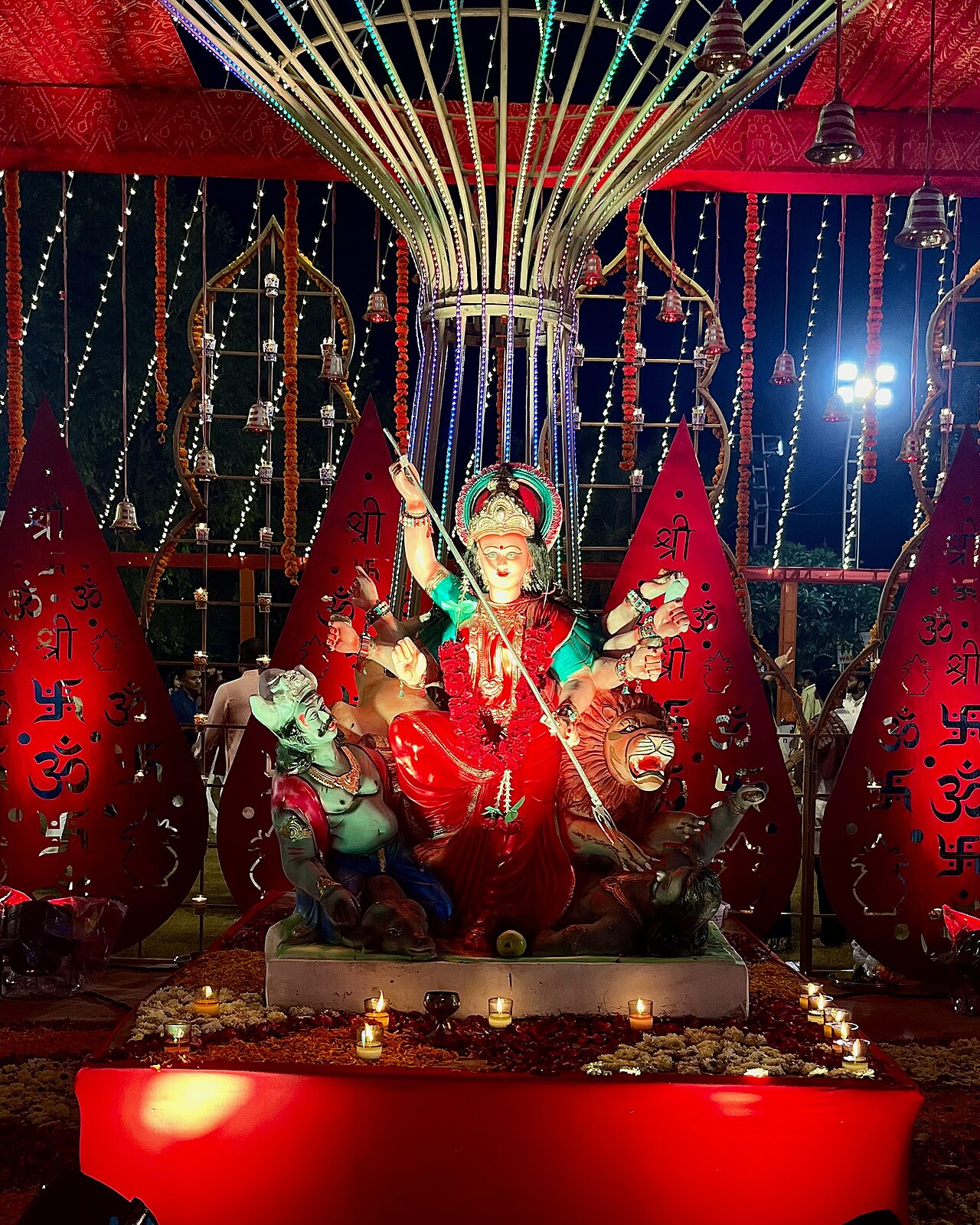
Navratri 2026 is your chance to welcome the spring Hindu New Year with nine days of devotion, discipline, and joy. This main spring festival, also known as Chaitra Navratri, is set to begin on Thursday, March 19, 2026, with Ghatasthapana (Kalash Sthapana) performed that same day as the ceremonial start. The sacred period then continues through nine days of worship and ends on March 27, with Rama Navami observed on March 26 as part of the observance.
Navratri 2026
Chaitra Navratri in 2026 runs from March 19 to March 27, beginning with Ghatasthapana on Thursday, March 19. Rama Navami in 2026 falls on March 26 and is observed within the Chaitra Navratri period. In addition to the spring observance, a separate Sharad (autumn) Navratri period is also listed for 2026 in traditional Panchang-style calendars.
Key Dates and Festival Timeline for Navratri 2026
You can think of the year’s observances as unfolding in two distinct waves: a spring Navratri in March and an autumn Navratri in October, each with its own rhythm and highlight days.
Spring: Chaitra Navratri (March 19–27, 2026)
Multiple Hindu festival calendars agree that the spring phase begins on Thursday, March 19, 2026, and continues through Friday, March 27, 2026, giving a full nine days of worship and fasting.
Here’s how the key days line up:
- March 19 (Thu) – Day 1, festival commencement and Ghatasthapana
- March 21 (Sat) – Tritiya (third lunar day) within the observance
- March 23 (Mon) – Panchami (fifth lunar day)
- March 25 (Wed) – Saptami (seventh lunar day)
- March 26 (Thu) – Ashtami (eighth lunar day) and Rama Navami
- March 27 (Fri) – Navami (ninth lunar day) and conclusion
A quick view of the midpoint and finale:
| Date | Lunar Day | Notes |
|---|---|---|
| Mar 23, 2026 | Panchami | Mid‑festival phase |
| Mar 26, 2026 | Ashtami | Coincides with Rama Navami |
| Mar 27, 2026 | Navami | Closing day of the spring cycle |
For background on how Rama Navami fits into this timeline, you can refer to Rama Navami.
Autumn: Sharad Navratri and Vijayadashami
Later in the year, a second observance, often called Sharad Navratri or Dasara, appears in the Hindu calendar in October. Panchang resources describe its start on the lunar Pratipada and its end with Vijayadashami (Dussehra), which serves as the finale for the autumn celebrations and completes the yearly cycle that began with the spring festival in March.
Ghatasthapana and First-Day Rituals on 19 March 2026
On the opening day of the festival, you focus on Ghatasthapana, the formal “installation” of the sacred center in your home or community space.
Preparing Your Space for Ghatasthapana
You begin by choosing a clean, quiet spot where you can maintain a small shrine for the full nine days. Many people:
- Lay a fresh cloth on a low table or platform
- Arrange images or idols of Durga around a central space
- Keep items like rice, flowers, incense, and a diya (lamp) ready in advance
This becomes the area where you’ll return each morning and evening for daily worship.
The Kalash as the Heart of the Shrine
Ghatasthapana revolves around placing a kalash (sacred pot) as a symbol of divine presence. Typically, you:
- Fill the pot with clean water
- Place grains or rice beneath it as a base
- Cover the mouth with leaves and a coconut, then decorate with flowers or a simple thread
Once you light a diya and recite your chosen mantras, you treat this pot as the living center of your sadhana for the festival.
| Item | Role in Ghatasthapana |
|---|---|
| Kalash | Symbol of purity and Shakti |
| Water | Sign of life and renewal |
| Coconut | Offering of gratitude |
For more background on why these symbols appear in Hindu practice, you can explore resources from Columbia University’s Hinduism guide.
Chaitra and Sharad Navratri in 2026: How the Two Seasons Differ
In 2026, you experience the festival twice: once in the freshness of early spring and again in the reflective light of autumn.
Seasonal setting and spiritual tone
- Chaitra Navratri (March): Aligned with the Hindu lunar month of Chaitra and the Hindu New Year in many traditions, this spring observance carries a feeling of beginning again. The atmosphere tends to be hopeful and future‑focused, centered on personal sankalpa (intentions) and inner renewal.
- Sharad Navratri (October): The autumn cycle, identified as Sharada Navratri in panchang listings, leads directly into Vijayadashami (Dussehra). The mood is more triumphant and communal, highlighting the victory of dharma and the completion of long-term efforts.
| Aspect | Chaitra (Spring) | Sharad (Autumn) |
|---|---|---|
| Overall feeling | Fresh start, new‑year energy | Culmination, victory, thanksgiving |
| Typical focus | Personal vows, quiet devotion | Community celebrations, public events |
How your practice may shift between the two
You might notice yourself:
- Keeping Chaitra observances more home-centered, with a focus on simple daily worship.
- Planning larger community gatherings and cultural programs—garba, dandiya or Ramayana‑themed events—during the Sharad cycle.
For a deeper look at how these seasonal rhythms are reflected across regions and calendars, you can compare the Hindu festival overviews compiled by institutions like the Australian Council of Hindu Clergy.
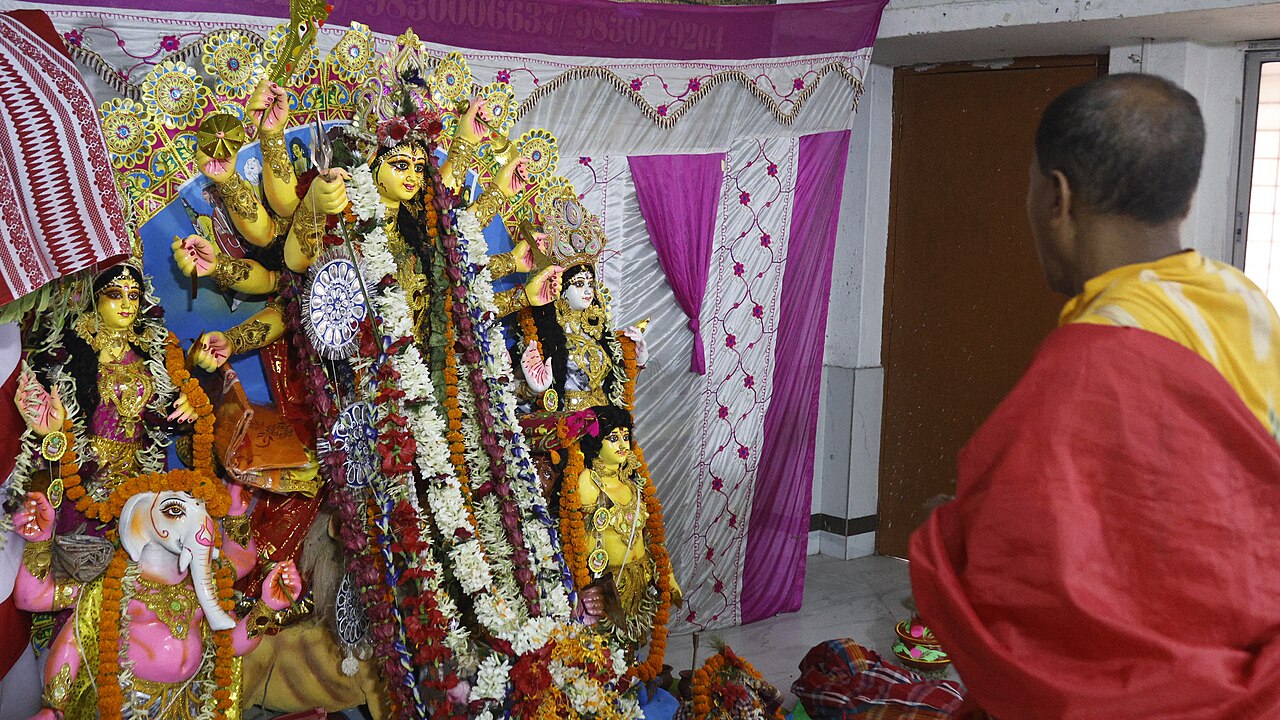
Daily Colours, Fasting Patterns and Worship of Durga’s Nine Forms
As you move through each of the nine days of the festival, your focus can shift between specific colors, fasting disciplines, and the distinct forms of Durga you honor.
Day-Wise Colors and Their Mood
Hindu festival calendars for 2026 publish a nine-day color sequence you can follow for both Chaitra and Sharad observances. While exact lists vary by region, the general idea stays the same: you wear the day’s shade, decorate your altar with it, and sometimes even match your flowers or rangoli.
A typical sequence looks like this:
| Day of Navratri | Common Color Theme* |
|---|---|
| 1 | Yellow or bright tones |
| 2 | Green hues |
| 3 | Grays or softer neutrals |
| 4 | Orange or warm tones |
| 5 | White or off‑white |
| 6 | Red shades |
| 7 | Royal blue or deep blue |
| 8 | Pink tones |
| 9 | Purple or rich violet |
\*Check your local panchang or temple noticeboard for the exact list followed in your community. For reference on festival color traditions, you can also see the background notes on Hindu observances at Britannica.
Fasting Patterns You Can Choose
You’re not locked into a single strict vrat; families often blend tradition with what’s manageable for health and work.
Common approaches include:
- Full nine-day fast: Often phalahar (fruit, milk, nuts) or limited “vrat grains” such as samak rice and buckwheat.
- Alternate-day fasting: Eating one day, fasting or eating light the next.
- First and last day only: Chosen when regular duties make longer fasting difficult.
- Sunrise-to-sunset fast: Eating one simple sattvic meal after evening worship.
Across these styles, people commonly avoid onions, garlic, alcohol, and meat, and keep meals simple, light and freshly prepared.
If you have a medical condition (such as diabetes, gastric issues, or pregnancy), you should adapt your vrat with a doctor’s guidance and treat it as a moderated, sattvic diet rather than a severe fast.
The Nine Forms of Durga You Honor
Each day often centers on a distinct form of the Goddess, collectively known as Navadurga. Names and details vary by local tradition, but the pattern you follow is devotional: each morning and evening, you invoke that day’s form through its name, a short praise, and a simple offering.
A typical daily rhythm looks like this:
- Morning: Bath, clean altar, light a diya, recite that day’s Durga name and a short prayer.
- Offerings: Flowers matching or complementing the day’s color, seasonal fruit, and a small sweet prepared without eggs.
- Evening: Aarti with family, repetition of the day’s name, and a brief reading or bhajan focused on that form’s qualities (such as courage, wisdom or compassion).
By the final evening, you’ll have contemplated nine different qualities of the Goddess and tried to bring each one into your thoughts, actions and relationships—giving the whole of the observance a structured, day-by-day spiritual arc.
Planning Your 2026 Navratri Celebrations at Home and in the Community
As you plan your celebrations, think of them as nine days of shared intention—balancing simple home rituals with community events that fit your schedule and budget.
Structuring Your Home Celebration
Start by deciding the “feel” you want at home: quiet and devotional, festive and musical, or a mix.
You might plan:
- A small, tidy altar space with fresh flowers and a rotating photo or murti of one deity each day
- A fixed daily time for a brief aarti or bhajan so everyone in the house can join at least once
- One “special effort” day (often a weekend) for a longer kirtan, storytelling, or reading from a text such as the Devi Mahatmya
- Simple, pre-decided menus that work with your chosen fast so you’re not scrambling each evening
A quick planning table can help you stay organized:
| Day | Focus at Home | Extra Touch |
|---|---|---|
| 1 | Set altar, light lamp | Start a gratitude journal |
| Mid | Short evening satsang | Invite one friend or neighbor |
| 9 | Expanded aarti | Offer homemade prasad to others |
Connecting With Your Local and Global Community
Look for nearby temple or cultural–center events and decide in advance which ones you can realistically attend. Many organizations publish schedules early, and some large temples (for example, those listed via hindutemples.us) also stream evening programs online, which helps if you live far away or have mobility constraints.
Consider how you’ll contribute, not just attend:
- Volunteer for decor, prasad distribution, or event logistics
- Offer a skill: singing, playing an instrument, or helping children learn simple bhajans
- Coordinate one night where neighbors gather at your home before going together to a community garba or aarti
By combining a planned home routine with even one or two well-chosen community events, you create an experience that feels both intimate and shared.

Frequently Asked Questions
How can you adapt your schedule if you have work or school every day?
You can keep your core worship simple—such as a short daily aarti and lighting a diya—while saving longer readings, bhajans, or community events for evenings or a single chosen day. Planning your meals, outfits, and puja items over the weekend helps you stay consistent without feeling overwhelmed during busy weekdays.
What are some respectful ways to involve non-Hindu friends in your celebrations?
You can invite them to join you for aarti, prasad, or a community event like garba, explaining the symbolism of what they’ll see in a sentence or two. Encourage them to dress modestly, remove shoes before entering the puja area, and follow your lead during rituals so they feel included while staying respectful.
How do you keep children engaged and learning without making it feel like a chore?
Turn key ideas—like the victory of good over evil or honoring Shakti—into short stories, simple art projects, or age-appropriate songs. Give them a small role, such as arranging flowers or ringing the bell at aarti, so they feel the festival is “theirs” too.
What if your living space is very small—how can you still set up a meaningful altar?
Choose a compact, stable surface such as a small table or wall-mounted shelf and keep only essential items there. Focus on cleanliness, a single main image or murti, and a diya; the intention and regularity of your worship matter more than the size of the setup.
How can you stay consistent with your practices when you’re traveling in March or October 2026?
Before you leave, prepare a minimal kit with a small picture of the Goddess, a travel diya or tealight, and a few incense sticks. Once on the road, fix a realistic daily time—however short—for your prayers, and follow the same sequence each day so your routine stays steady even if your location changes.
Conclusion
As you look ahead to Navratri 2026, you have a chance to deepen your connection with devotion, discipline, and inner strength. With the dates clearly outlined for both the spring and autumn observances, you can plan your fasts, prayers, and family traditions in a way that feels both organized and heartfelt. Whether you focus on daily worship, colors, or specific forms of the Goddess, what shapes your celebration most is the sincerity you bring.
Sources
- divinesansar.com
- sahms.org.za
- australiancouncilofhinduclergy.com
- economictimes.indiatimes.com
- hindustantimes.com
- timesofindia.indiatimes.com