




Mistral AI model is making waves in the US-China AI race, offering innovative features that could reshape the landscape. This article explores its potential impact and advantages.
Overview of Mistral AI Model
The Mistral AI model has emerged as a significant player in the rapidly evolving landscape of artificial intelligence, particularly in the context of the US-China race for technological supremacy. Developed by the innovative team at Mistral, this model boasts advanced capabilities that position it as a strong contender among its peers.
One of the key features of the Mistral AI model is its ability to process vast amounts of data quickly and efficiently. This capability allows for real-time analysis and decision-making, which is crucial in various applications ranging from autonomous systems to advanced natural language processing. The model’s architecture is designed to be scalable, accommodating the increasing demands of AI tasks in diverse sectors.
Moreover, the Mistral AI model emphasizes ethical AI practices, aiming to ensure transparency and fairness in its algorithms. This focus on responsible AI development is particularly relevant as nations navigate the complexities of AI governance and regulation.
As the competition heats up between the US and China in the AI domain, various stakeholders are evaluating the Mistral AI model for its potential advantages. Key aspects to consider include:
- Performance: How well does it perform in real-world scenarios?
- Scalability: Can it handle larger datasets as demand grows?
- Ethics: Does it adhere to responsible AI guidelines?
In conclusion, the Mistral AI model presents a compelling option in the ongoing quest for technological leadership.
Key Features of Mistral
The Mistral AI model boasts several key features that set it apart in the competitive landscape of artificial intelligence. Designed with cutting-edge technology, this model aims to address the growing demands of the AI sector in the context of the US-China race.
- Scalability: The Mistral AI model is built to handle large-scale data processing, making it suitable for various applications, from natural language processing to complex computational tasks.
- Efficiency: Its architecture allows for faster processing times, resulting in reduced operational costs and improved performance compared to other models.
- Adaptability: The Mistral AI model can be tailored to specific industry needs, offering flexible solutions that can evolve with technological advancements.
- Open-Source Access: By providing an open-source framework, Mistral encourages collaboration and innovation within the AI community, enabling researchers and developers to contribute and enhance the model.
- Safety Features: Emphasizing responsible AI, Mistral integrates safety protocols to mitigate risks associated with AI deployment, ensuring ethical use in sensitive areas.
These features position the Mistral AI model as a formidable contender in the ongoing AI race, particularly between the United States and China, as stakeholders seek the most effective solutions to leverage AI technology.
Impact on US-China AI Competition
The launch of the Mistral AI model has significant implications for the ongoing US-China AI competition. As both nations strive to maintain their dominance in artificial intelligence, advancements like Mistral’s could shift the balance of power in this critical technological race.
One of the key factors that could influence the outcome of this competition is the model’s accessibility. The Mistral AI model is designed to be open-source, allowing researchers and developers across the globe to utilize its capabilities. This democratization of AI technology may lead to rapid innovations, fostering collaboration that could challenge existing power structures.
Furthermore, the capabilities of the Mistral AI model in natural language processing and machine learning could enhance various sectors, including finance, healthcare, and national security. As both the US and China continue to invest heavily in AI research, the introduction of sophisticated models like Mistral’s may accelerate advancements that could have geopolitical ramifications.
- Competitive Edge: Countries adopting Mistral’s model may gain a technological edge.
- Global Collaboration: Open-source nature promotes international partnerships.
- Influencing Policies: Governments may adjust their strategies based on Mistral’s capabilities.
As the US and China navigate this evolving landscape, the Mistral AI model stands as a pivotal player in determining future dynamics in AI competitiveness.
Comparing Mistral with Other Models
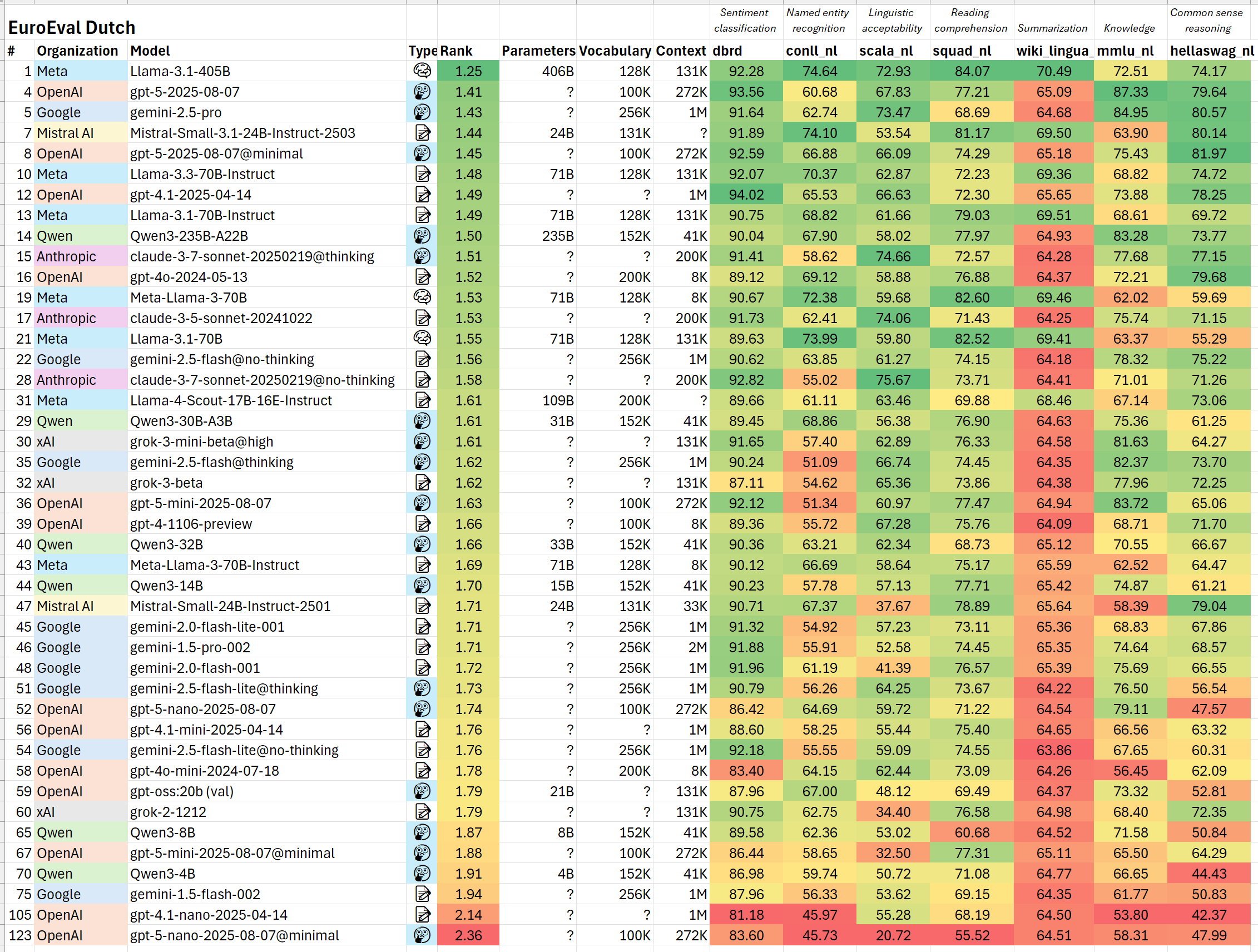
In the rapidly evolving landscape of artificial intelligence, comparing the Mistral AI model with its competitors is crucial for understanding its potential impact. Several leading models currently dominate the market, each with unique strengths and weaknesses.
- OpenAI’s GPT-4: Known for its advanced natural language understanding, GPT-4 continues to set benchmarks for conversational AI. However, its resource-intensive nature can be a limiting factor for some applications.
- Google’s PaLM: With a focus on multilingual capabilities, PaLM excels in diverse linguistic tasks. Yet, it may not match Mistral’s efficiency in specific domains, particularly where computational resources are constrained.
- Anthropic’s Claude: This model has garnered attention for its emphasis on safety and ethical considerations in AI interactions. Though Claude prioritizes responsible AI, it might lack the scalability that the Mistral AI model offers, especially in competitive environments.
- Meta’s LLaMA: Designed for research purposes, LLaMA provides flexibility and adaptability. However, its performance in real-world applications often trails that of Mistral, particularly in commercial use cases.
Ultimately, the choice between these models will depend on specific needs, including scalability, efficiency, and application context. As the US-China AI race intensifies, the Mistral AI model may emerge as a formidable contender, especially for organizations seeking robust performance without excessive resource demands.
Expert Opinions on Mistral
Experts in the field of artificial intelligence have been weighing in on the Mistral AI model, highlighting its potential and limitations in the context of the ongoing US-China AI competition. Many analysts agree that while Mistral offers innovative features, its effectiveness will largely depend on how well it can adapt to the rapidly changing landscape of AI technology.
Dr. Emily Chen, an AI researcher at a leading tech institute, states, “The Mistral AI model showcases impressive capabilities, particularly in natural language processing. However, it remains to be seen if it can outperform existing models that have set the benchmark in the industry.”
Another expert, Professor John Liu, emphasizes the strategic implications of Mistral in the global AI race. He notes, “The competition between the US and China is not just about technological superiority but also about ethical considerations. Mistral must navigate these complexities to be a viable player.”
Industry insiders have observed that the Mistral AI model could reshape how companies approach AI deployment. As Sarah Thompson, a tech industry analyst, puts it, “The Mistral model presents a unique opportunity for businesses to leverage cutting-edge technology, but they must evaluate if it aligns with their specific needs.”
In summary, while there is optimism surrounding the Mistral AI model, experts caution that its success will hinge on its practical applications and the broader geopolitical context.
Future of AI Models in Global Race
The future of AI models in the global race is shaped by ongoing advancements and competition between leading nations, particularly the United States and China. As countries strive to establish dominance in artificial intelligence, the Mistral AI model emerges as a potential game-changer. Its innovative architecture and capabilities signal a shift in how AI can be utilized across various sectors.
Several factors will influence the trajectory of AI models like Mistral in the coming years:
- Technological Advancements: Continuous improvements in machine learning algorithms and hardware will determine the performance of AI models. Mistral’s architecture may set new benchmarks for efficiency and effectiveness.
- Regulatory Frameworks: As governments establish guidelines for AI usage and development, compliance will be crucial. The adaptability of the Mistral AI model to regulatory demands could enhance its acceptance and integration.
- Global Collaboration: Partnerships between countries and organizations can accelerate AI research and development. The Mistral AI model could benefit from collaborations that leverage diverse expertise and resources.
- Ethical Considerations: As AI models become more integrated into daily life, ethical implications will arise. Mistral’s approach to responsible AI development will play a key role in its long-term success.
In conclusion, the evolution of AI models like Mistral will significantly impact the ongoing US-China race, as nations seek to harness the full potential of artificial intelligence.
By WikiEwout via Openverse
References
Related stories
One UI 9 Update: Best Simple Guide to Download · iQOO 16 Geekbench score: Proven Performance with 10,029! · Amazon Great Indian Festival Sale: Best Deals on Phones?