








By Editorial Team · Updated July 7, 2026
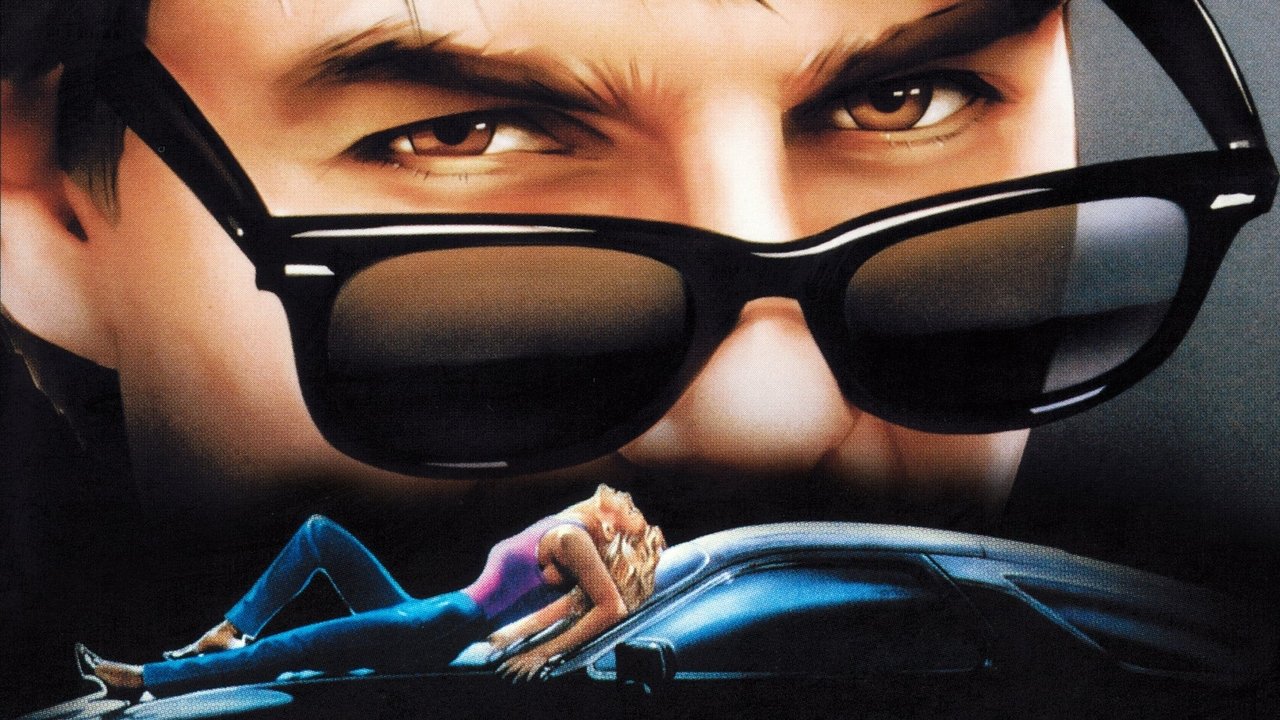
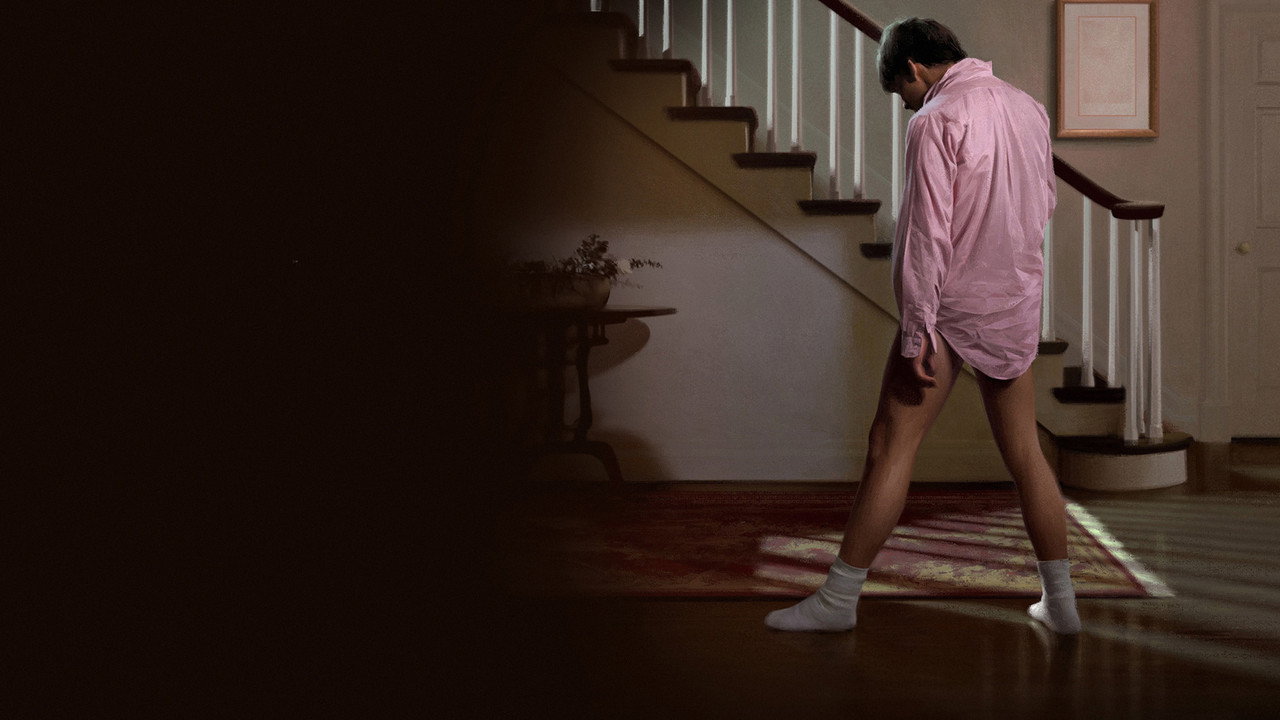
Risky Business Dance might be the most famous living-room shuffle in movie history, but do you really know what makes that few seconds of film so unforgettable? You picture Tom Cruise as Joel Goodson, home alone, sliding into frame in his pink shirt, white briefs, and socks while Bob Seger’s “Old Time Rock and Roll” plays in the background. You’ve seen it copied in shows, ads, and viral clips, yet the original scene from Paul Brickman’s 1983 film Risky Business still stands out. In this look behind the moment, you’ll see how Cruise choreographed the moves himself and how this shot evolved into the ultimate “home alone and dancing” movie trope.
Risky Business Dance
The dance refers to Tom Cruise’s living-room scene in the 1983 film Risky Business. The song in the scene is Bob Seger’s “Old Time Rock and Roll.” The sequence became a widely imitated “home alone dancing in underwear and socks” trope.
Origins of the Iconic Living-Room Dance in Risky Business
When you think about the Risky Business Dance, you’re seeing how a small character moment in a 1983 film turned into a lasting pop‑culture shorthand. Written and directed by Paul Brickman, the story leaves Joel Goodson home alone, and that empty living room becomes the stage for him to let loose.
How the Scene Took Shape
Coverage of the production notes that Tom Cruise worked out the basic moves himself, then collaborated with Brickman to refine the visual beats, especially the now-famous sock slide into the frame. You’re watching a mix of actor improvisation and director guidance, rather than a tightly scripted musical number.
| Element | Origin/Intent (as reported) |
|---|---|
| Living-room setting | Emphasizes an ordinary suburban home space |
| Underwear outfit | Highlights vulnerability and freedom at once |
| Sock slide shot | Carefully planned with Cruise and Brickman |
Why It Feels So Relatable
The choice of Bob Seger’s “Old Time Rock and Roll” locks the moment into a specific rock‑and‑roll nostalgia. Media analysis uses the scene as the defining example of a character who’s home alone, dancing exuberantly—often in underwear and socks—to music. That pattern became a recognizable trope in later discussions of film and television.
Tom Cruise’s Choreography and the Famous Socks Slide
When you watch the risky business dance, you’re seeing Tom Cruise’s own choreography, shaped around how his character would cut loose when no one’s watching.
How Cruise Built the Moves
Instead of following a pre-set routine, Cruise worked out the dance himself, then refined it with writer‑director Paul Brickman for the camera. The movements feel spontaneous because they grew from his instincts, adjusted mainly where they needed to hit specific marks.
You can spot a few key choices in how he moves:
- Loose, unpolished footwork that looks like something you might actually do at home
- Broad arm swings and spins that match the energy of the rock track
- Pauses and pose‑like beats that play off the song’s shifts
The Mechanics of the Socks Slide
Brickman and Cruise collaborated specifically on the famous shot where he slides into the center of the frame in his socks. The moment works because you see:
| Element | Effect on You as a Viewer |
|---|---|
| Long, straight slide | Instant visual punch |
| Centered landing | Keeps your focus locked on him |
| Simple costume | Draws attention to motion and pose |
That single glide across the floor became the defining image people think of when they reference the scene.
Bob Seger’s “Old Time Rock and Roll” and Its Role in the Scene’s Impact
You can’t really separate the risky business dance from the sound of Bob Seger’s “Old Time Rock and Roll.” The song drives the mood of Joel’s living-room performance.
Why That Song Matters So Much
Seger’s track has a steady beat, a clear piano riff, and a sing‑along chorus that hits quickly. That makes it well suited for:
- Big, exaggerated arm swings
- Loose, unpolished footwork
- Spontaneous spins across the floor
Because the groove keeps pushing forward, you feel the same release Joel does: sudden freedom and a dose of rebellion.
Elevating a Simple Moment into an Icon
With “Old Time Rock and Roll,” the moment becomes a kind of shorthand for dancing like nobody’s watching. Film coverage often cites this pairing of song and scene when listing famous dance moments, and the track is frequently introduced with a nod to Joel’s underwear-and-socks routine.
The connection runs so deep that when people recreate or parody the scene, they often reach for the same Seger song, reinforcing how central it is to the enduring image of this living-room performance.
| Element | Effect on the Scene |
|---|---|
| Driving beat | Keeps the energy high and playful |
| Rock sound | Underscores Joel’s carefree attitude |
| Singable chorus | Invites you to join in at home |
How the Risky Business Dance Became a Pop-Culture Trope
Once that living-room moment hit theaters, you started seeing its DNA echoed widely, even when no one mentioned Risky Business by name. Commentators treated the scene as shorthand for unfiltered, home-alone freedom, which made it a natural fit for reuse across other stories and formats.
From One Scene to a Recognizable Pattern
Media analysts now use “Risky Business Dance” as a specific trope label:
- A character is home alone
- They blast music
- They dance with zero self-consciousness
- They’re often in underwear and socks
You recognize it quickly, even if the song or costume changes. The visual cues do the work, so a director can signal “this character finally lets go” in a few seconds without any dialogue.
Why It Works So Well for Storytelling
Because the setup is simple, you can drop it into almost any genre. It can play as:
- Comedy, when the character gets caught mid-dance
- Character development, when a usually controlled person cuts loose
- Nostalgia, when creators want to evoke ’80s teen-movie energy
A quick glimpse of socks sliding across a floor, and your mind fills in the rest, which helps the trope keep circulating. For context on the film’s broader presence in cinema history, you can see its overview on Wikipedia.
Parodies, Homages, and Advertising Spin-Offs of the Risky Business Dance
Once that living-room moment became shorthand for carefree rebellion, you started seeing it referenced widely—especially whenever a movie, show, or brand wanted to tap into instant recognition.
How Film and TV Borrow the Image
Directors and showrunners often use the underwear-and-socks setup as a quick visual joke. When a character:
- Thinks they’re safely home alone
- Cranks up a favorite song
- Slides across the floor in minimal clothing
you can often spot the reference, even if the music is different. Media analysts treat this as a distinct trope, with the character’s uninhibited solo dance signaling privacy, vulnerability, and a goofy kind of confidence.
Here’s how that shorthand tends to function:
| Element | What it Signals to You |
|---|---|
| Underdressed dancing | Letting your guard down |
| Living-room setting | Everyday, relatable environment |
| Exaggerated moves | Comic relief and self-parody |
Why Advertisers Love the Reference
Ad campaigns frequently echo the scene’s look and framing to associate products with freedom and fun. You’ll see actors:
- Sliding into frame to showcase a brand
- Lip-syncing to upbeat tracks with a classic rock feel
- Striking a familiar wide-stance pose in a hallway or living room
Because the moment is widely recognized, marketers can suggest “playful, slightly rebellious comfort” in a single shot. Even a quick glimpse of that pose or slide can call the original scene to mind, showing how effectively visual callbacks work in popular culture.
Frequently Asked Questions
How can you recognize a “risky business dance” moment in a movie or show if it doesn’t copy the outfit exactly?
Look for a character who’s suddenly alone, loosens up, and starts dancing in a private space, usually sliding or spinning in socks or bare feet. Even if the clothes are different, the key is that uninhibited, living-room-style jam session that clearly nods to the original.
Why does this particular dance scene keep getting referenced decades later?
It captures the fantasy of being unsupervised and totally free. The simple setup—music on, no one else around, no self-consciousness—makes it easy for later creators to echo and for you to recognize.
Do you need the exact song to make your own version feel authentic?
You don’t need the same track, but you do want something upbeat and familiar enough that you instinctively move to it. The key is picking a song that makes you forget yourself for a moment and invites that same carefree energy associated with the scene.
How can you safely recreate the socks slide at home?
Choose a smooth, clean floor, wear socks with some grip, and test a small, gentle slide first instead of launching yourself across the room. Clear furniture and clutter out of the way so you’re not slamming into a table when you’re pretending to be Tom Cruise.
What makes your own living-room dance feel more like a tribute than just random goofing off?
Lean into a few recognizable touches—a dramatic entrance into frame, a big spin, or a playful lip-sync to whatever you’re playing. If you want it to read clearly as a nod to the famous living-room routine, commit to the performance and the sense that, for a minute, nothing else matters except the song and your moves.
Conclusion
When you think about the Risky Business Dance, you’re really thinking about a moment of carefree fun. Tom Cruise’s Joel Goodson, sliding into frame in his socks to Bob Seger’s “Old Time Rock and Roll,” captures the feeling of being home alone and finally letting loose. That living-room dance has grown into a full-on trope, cited and reimagined across movies, shows, and videos. If this scene inspires you, let it be a reminder to make space for your own small bursts of joy—and to notice how a few seconds of film can echo through decades of pop culture.