




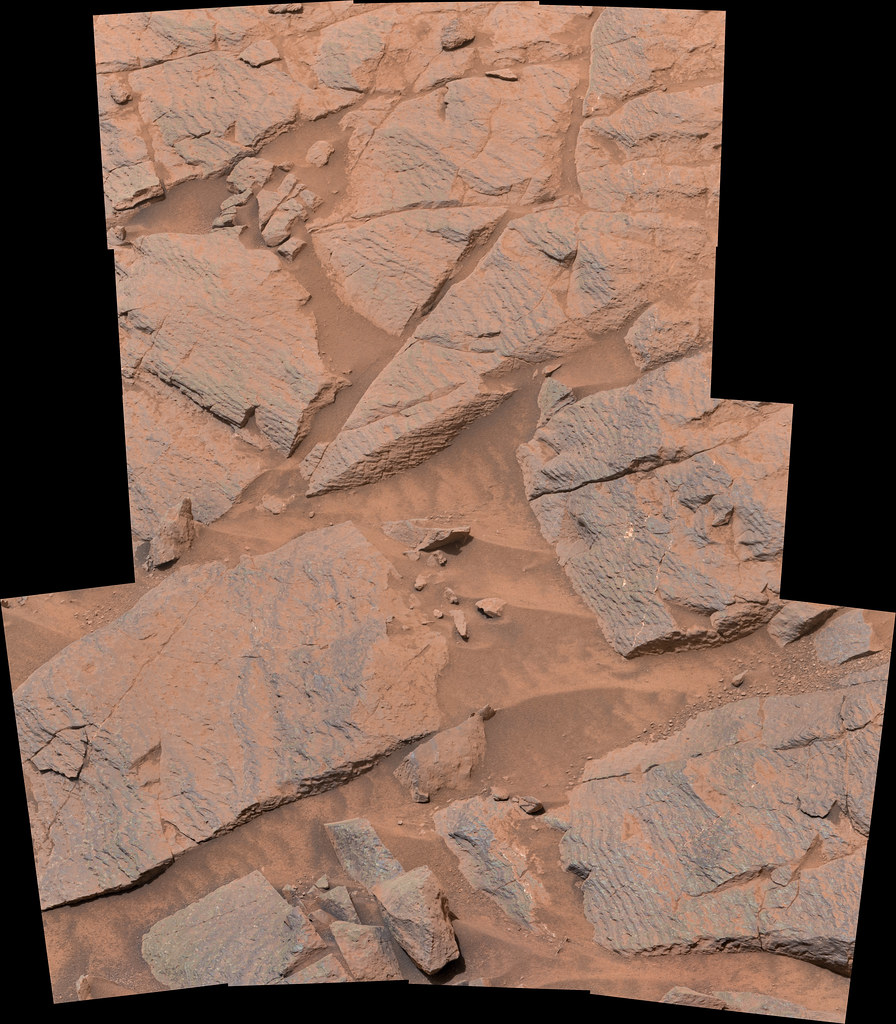
Curiosity rover Mars has made remarkable progress, successfully climbing 1 kilometer up a Martian mountain 15 years after its launch. This achievement highlights the rover’s durability and ongoing contributions to our understanding of Mars.
The Journey of the Curiosity Rover
The journey of the Curiosity rover Mars has been nothing short of remarkable. Launched on November 26, 2011, Curiosity was initially expected to operate for just 23 months. However, it has defied expectations, celebrating 15 years of exploration and discovery on the Martian surface.
Throughout its mission, the rover has traveled over 25 kilometers and ascended 1 kilometer up the slopes of Mount Sharp, providing scientists with invaluable insights into the planet’s geology and climate. Curiosity’s state-of-the-art instruments have allowed it to analyze rock samples and study atmospheric conditions, revealing evidence of past water flows and the potential for ancient life.
The rover has faced numerous challenges, including harsh weather conditions and technical difficulties, yet it has continued to send back data that reshapes our understanding of Mars. With each passing year, the Curiosity rover Mars has contributed significantly to our knowledge, inspiring future missions and igniting curiosity about the possibilities of life beyond Earth.
As Curiosity approaches the end of its operational life, its legacy is firmly established, marking a significant chapter in the exploration of the Red Planet.
Milestones Achieved by Curiosity
The Curiosity rover Mars has reached numerous milestones since its arrival on the Red Planet. Originally designed for a mission lasting just 23 months, Curiosity has defied expectations and continued to operate effectively for over 15 years. Here are some of the significant achievements:
- First Rover to Climb a Mountain: Curiosity became the first rover to successfully ascend Mount Sharp, a journey that has provided invaluable geological insights.
- Evidence of Ancient Water: The rover discovered signs that liquid water once flowed on Mars, indicating the planet may have been habitable in the past.
- Organic Molecules Detection: Curiosity has detected organic compounds in Martian rocks, raising questions about the potential for life beyond Earth.
- Radiation Measurements: The rover has provided crucial data on radiation levels on Mars, essential for future human exploration.
- Ongoing Exploration: With its advanced tools, Curiosity continues to analyze the Martian surface and atmosphere, contributing to our understanding of the planet.
These milestones highlight the Curiosity rover Mars as a groundbreaking achievement in space exploration, enhancing our knowledge of Mars and its history.
Curiosity’s Climb on Mars
Over the past 15 years, the Curiosity rover has made remarkable progress in its exploration of Mars, particularly during its ascent up Mount Sharp. This monumental climb has provided scientists with invaluable data about the planet’s geology and climate.
Initially designed for a mission lasting just 23 months, Curiosity continues to exceed expectations, having climbed over 1 kilometer up the Martian mountain. This ascent has not only demonstrated the rover’s durability but also its ability to navigate challenging terrains.
Key insights gained from Curiosity’s climb include:
- Layered Rock Formations: The rover has analyzed various layers of sedimentary rock, revealing the historical climate changes on Mars.
- Mineral Diversity: Curiosity has identified a range of minerals, indicating past water activity and potential habitability.
- Atmospheric Data: By studying the mountain’s atmosphere, Curiosity has provided crucial information about Martian weather patterns.
As Curiosity continues its journey, scientists are hopeful that future discoveries will further unravel the mysteries of Mars, solidifying its legacy as one of the most successful missions in planetary exploration.
Future of Mars Exploration
The future of Mars exploration is poised for exciting advancements, building on the legacy of the Curiosity rover Mars, which has surpassed its expected lifespan and provided invaluable data for scientists. As we look ahead, several key missions are on the horizon that promise to enhance our understanding of the Red Planet.
- Sample Return Missions: Upcoming missions aim to collect and return samples from the Martian surface. These samples will allow scientists to conduct detailed analyses on Earth, potentially revealing evidence of past life.
- Human Exploration: NASA’s Artemis program and other international efforts are laying the groundwork for future human missions to Mars. These missions will focus on sustainability and long-term habitation.
- Technological Innovations: New technologies such as autonomous rovers and drones could revolutionize how we explore Mars, allowing for more extensive and flexible exploration of its diverse environments.
- International Collaboration: Increased collaboration between space agencies worldwide aims to pool resources and share knowledge, enhancing the overall scope of Mars exploration.
These initiatives build on the foundation laid by the Curiosity rover Mars, ensuring that the quest to uncover the mysteries of Mars continues well into the future.
By Kevin M. Gill via Openverse