










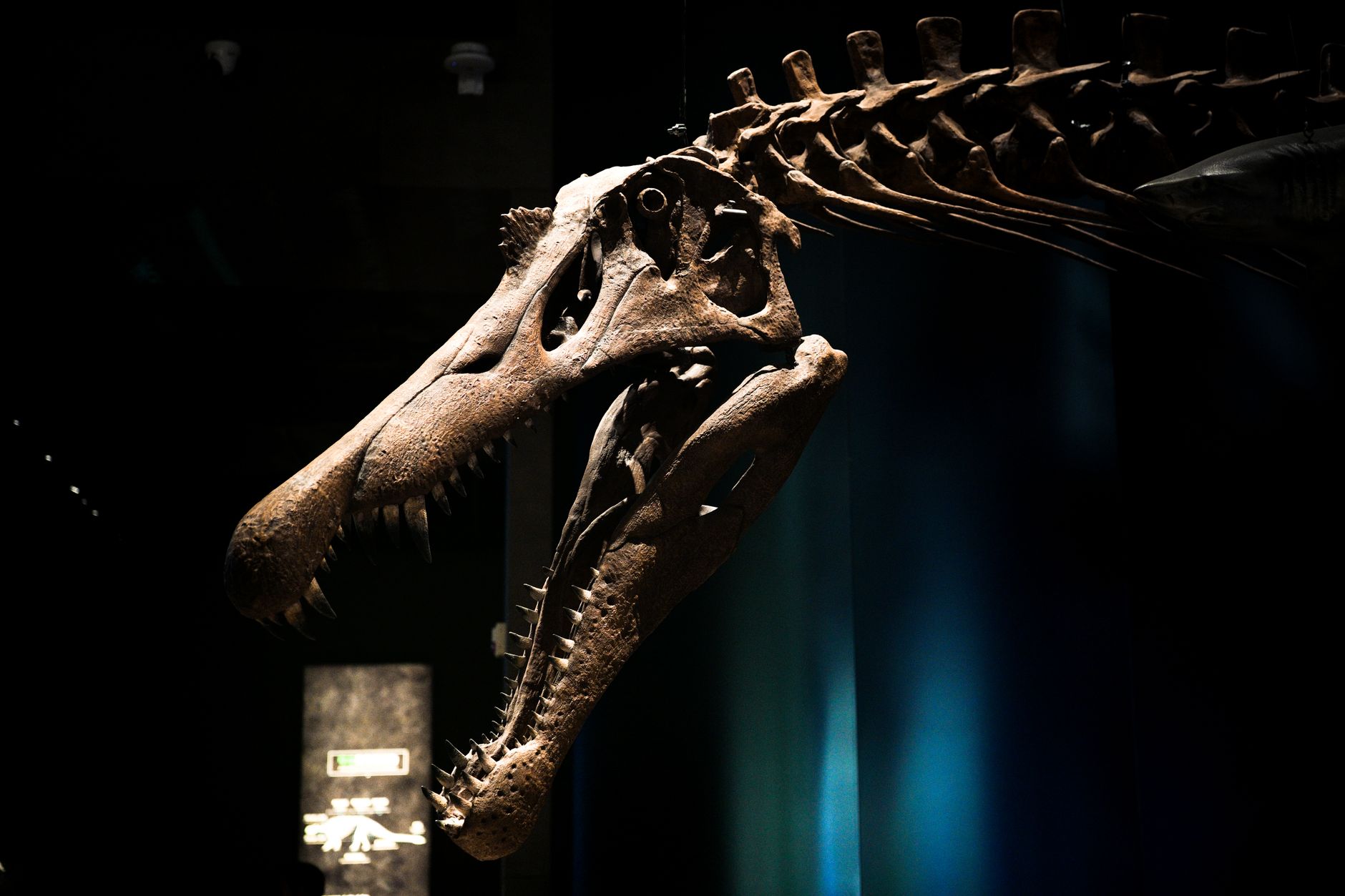
Extinct species revival is a topic of heated discussion among scientists. Recent studies challenge the long-held dream of resurrecting species that have vanished from our planet.
Understanding Extinct Species
Understanding extinct species is crucial in the ongoing conversation about the potential for their revival. Extinct species are those that no longer exist due to various factors, including habitat loss, climate change, and human intervention. Scientists have long debated the feasibility of extinct species revival, often romanticizing the idea of bringing back creatures like the woolly mammoth or the passenger pigeon.
However, the reality is far more complex. Reviving these species poses significant ethical and ecological questions. Challenges include:
- Genetic limitations – Many species lack sufficient DNA for successful cloning.
- Ecological impact – Introducing revived species into existing ecosystems could disrupt current biodiversity.
- Resource allocation – Funding and attention may be diverted from conserving endangered species.
Ultimately, the dream of extinct species revival may overshadow more pressing conservation efforts.
The Science Behind De-extinction
The science behind de-extinction is complex and fraught with ethical dilemmas. Researchers explore several techniques in an attempt to bring extinct species back to life, often referred to as extinct species revival. These methods include:
- Cloning: Using DNA from preserved specimens to create living copies.
- Genetic Engineering: Modifying the genes of closely related species to express traits of the extinct species.
- Selective Breeding: Breeding existing species to enhance specific characteristics lost in extinction.
While these advancements hold promise, scientists warn of the ecological consequences and ethical implications. The focus should not solely be on resurrecting lost species but also on preserving existing biodiversity and preventing further extinctions.
Ethical Considerations in Revival
The concept of extinct species revival raises significant ethical considerations that cannot be overlooked. While the idea of bringing back species that have vanished from our planet may seem appealing, it poses complex moral dilemmas.
Many argue that reviving extinct species could divert attention and resources from current conservation efforts. This could lead to a focus on resurrecting the past rather than preserving existing ecosystems. Additionally, there are concerns about the welfare of the revived species and their ability to adapt to modern environments.
Furthermore, the potential consequences of reintroducing these species into the wild could disrupt current ecosystems and threaten existing species. Thus, the pursuit of extinct species revival should be approached with caution, ensuring that ethical implications are thoroughly examined before any attempts are made.
Recent Studies on Extinct Species
Recent studies on extinct species have sparked intense debate among scientists and conservationists, particularly regarding the feasibility and implications of extinct species revival. Researchers have examined various species, from the woolly mammoth to the passenger pigeon, investigating genetic techniques that could potentially bring them back to life.
However, findings suggest significant challenges ahead:
- Genetic Diversity: Many extinct species had limited genetic variation, making successful revival difficult.
- Ecological Impact: Introducing revived species into modern ecosystems may lead to unforeseen consequences.
- Conservation Focus: Resources may be better spent on protecting endangered species rather than resurrecting the extinct.
As the quest for extinct species revival continues, the scientific community remains divided, weighing the potential benefits against ethical and ecological ramifications.
Challenges in Bringing Back Life
The quest for extinct species revival faces numerous challenges that raise questions about its feasibility and implications. First, scientists encounter significant technical hurdles in the genetic engineering processes required to resurrect these species. The complexity of cloning and gene editing poses risks not only to the intended species but also to existing ecosystems.
Furthermore, there are ecological considerations to ponder. Revived species may not thrive in today’s altered environments, leading to unforeseen consequences. Additionally, ethical dilemmas arise regarding the prioritization of resources for revival projects instead of conserving endangered species.
Finally, the potential for public backlash against de-extinction efforts could influence funding and support, complicating the scientific pursuit. As researchers continue to explore these challenges, the dream of bringing extinct species back to life remains a contentious and complex issue.
Future of Biodiversity and Conservation
The future of biodiversity and conservation faces significant challenges as the dream of extinct species revival gains attention. While the concept of resurrecting lost species captivates the imagination, experts warn that it could divert crucial resources from preserving existing ecosystems and protecting endangered species.
Conservation efforts should prioritize habitat preservation, sustainable practices, and addressing climate change, rather than chasing the elusive goal of de-extinction. The revival of extinct species may not adequately address the root causes of biodiversity loss, potentially leading to more harm than good.
Furthermore, the reintroduction of these species could disrupt current ecosystems, leading to unforeseen consequences. As we look to the future, it is essential to focus on fostering a rich and diverse array of life, ensuring that we do not lose sight of the ecosystems that still exist.
Photo by Jaqor Q.I. on Pexels
Sources
Related reading
AMD EPYC Embedded Processors: Are They the Best Choice? · Magic The Gathering Burger King: Is This the Worst Combo Ever? · Samsung Galaxy S27 cameras: Are they the worst of 2023?