


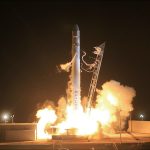






Google satellite AI is making headlines as the tech giant sends a prototype satellite into space. This ambitious project aims to test AI infrastructure for future space missions.
What is the purpose of the Google satellite AI?
The purpose of the Google satellite AI is to test and enhance the capabilities of artificial intelligence in space environments. By launching a prototype satellite, Google aims to explore how AI can improve data collection, processing, and communication in orbit. This initiative is part of a broader effort to integrate advanced technology into space missions, ensuring more efficient and reliable operations.
Key objectives of the Google satellite AI project include:
- Data Collection: Utilizing AI to analyze vast amounts of data from space, improving our understanding of various phenomena.
- Autonomous Operations: Developing systems that can operate independently, reducing the need for constant human intervention.
- Real-Time Processing: Enabling immediate analysis of data, allowing for swift decision-making in critical situations.
- Cost Reduction: Streamlining processes through AI to lower the costs associated with satellite missions.
As technology advances, the Google satellite AI project represents a significant step towards integrating AI into space exploration, potentially setting new standards for future missions. The outcomes of this project could redefine how we utilize satellites, making them smarter and more responsive to the challenges of space.
How does AI enhance satellite technology?
The integration of artificial intelligence into satellite technology represents a significant advancement in how we gather and interpret data from space. Google satellite AI leverages machine learning algorithms to enhance the functionality of satellites in various ways.
One of the primary benefits of using AI in satellite technology is the ability to analyze vast amounts of data in real time. Traditional methods often struggle with the sheer volume of information, leading to delays and potential inaccuracies. By employing AI, satellites can quickly process and interpret data, allowing for faster decision-making.
Additionally, AI algorithms can improve image recognition and interpretation, identifying patterns that may not be visible to the human eye. This capability is particularly useful in applications such as environmental monitoring, disaster response, and urban planning.
Furthermore, AI can enhance the predictive capabilities of satellite systems, enabling them to anticipate changes in weather patterns, track deforestation, or monitor agricultural health. As AI technology continues to evolve, its role in satellite systems is expected to grow, paving the way for more innovative applications that can benefit society as a whole.
- Real-time data analysis
- Advanced image recognition
- Predictive capabilities for various applications
Key features of the prototype satellite
The prototype satellite developed by Google is equipped with several key features designed to showcase the capabilities of satellite AI. These features aim to improve data collection and enhance the accuracy of satellite imagery.
- Advanced Imaging Sensors: The satellite utilizes high-resolution imaging sensors that can capture detailed photographs of the Earth’s surface, providing users with valuable insights.
- Real-Time Data Processing: Leveraging on-board AI, the satellite can process data in real-time, allowing for quicker decision-making and immediate responses to environmental changes.
- Autonomous Navigation: With AI-driven navigation systems, the satellite can adjust its orbit and position autonomously, optimizing its imaging capabilities without human intervention.
- Enhanced Machine Learning Algorithms: The prototype incorporates sophisticated machine learning algorithms that enable it to learn from past data, improving its performance over time.
- Energy Efficiency: Designed with sustainability in mind, the satellite employs energy-efficient technologies, ensuring longer operational lifespan and reduced environmental impact.
These features collectively position the Google satellite AI as a promising advancement in satellite technology, potentially transforming how we monitor and understand our planet.
The significance of AI in space exploration
The significance of artificial intelligence in space exploration cannot be overstated, particularly with innovations like Google satellite AI. As space agencies and private companies alike strive to make sense of vast data streams from orbit, AI plays a pivotal role in processing and interpreting this information. With the ability to analyze patterns, recognize anomalies, and predict future trends, AI enhances our understanding of celestial phenomena.
Moreover, Google satellite AI represents a groundbreaking advancement in how we approach satellite data collection and analysis. Its algorithms can sift through terabytes of data generated by satellites, enabling scientists to focus on what truly matters. This capability not only speeds up research but also reduces the likelihood of human error, ensuring that findings are more reliable.
The implications of such technology extend beyond mere data analysis. AI-driven satellites can vastly improve Earth observation, climate monitoring, and disaster response efforts. As we continue to push the boundaries of space exploration, the integration of AI will be crucial in managing resources, making informed decisions, and ultimately expanding humanity’s reach into the cosmos.
In essence, Google satellite AI may well be a defining moment for the future of space technology, potentially paving the way for more intelligent systems that can operate autonomously in the harsh environment of space.
Challenges faced during the launch
The launch of the Google satellite AI prototype was not without its challenges, highlighting the complexities involved in modern space technology. One major hurdle was the integration of advanced artificial intelligence systems with existing satellite frameworks. Engineers faced difficulties ensuring that the AI could process vast amounts of data in real time while maintaining reliability during critical operations.
Additionally, environmental factors posed significant obstacles. The satellite had to endure extreme temperatures and radiation levels in space, which could potentially impair its functionality. Rigorous testing on Earth was necessary to simulate these conditions, but unforeseen issues arose during the launch sequence itself, requiring last-minute adjustments to the satellite’s hardware.
Moreover, the synchronization between the satellite and ground control was crucial. Any delays in communication could lead to data loss or misinterpretation of AI outputs. The team had to implement robust protocols to ensure seamless interaction, which added to the complexity of the mission.
- Integration issues: Challenges with AI systems and satellite framework.
- Environmental concerns: Extreme conditions affecting functionality.
- Communication synchronization: Ensuring real-time data transfer.
Despite these challenges, the successful launch of the Google satellite AI marks a significant step forward in the field of space technology.
Future implications of Google’s satellite project
The future implications of Google’s satellite project are vast and multifaceted, potentially reshaping both technology and our understanding of the universe. As advancements in Google satellite AI continue to develop, several key areas stand to benefit significantly.
- Environmental Monitoring: With improved data collection and analysis capabilities, Google’s satellite AI can enhance our ability to monitor climate change, deforestation, and natural disasters.
- Agricultural Innovation: Farmers could leverage AI-driven satellite imagery to optimize crop yields, monitor soil health, and manage resources more efficiently.
- Urban Planning: City planners may utilize AI insights derived from satellite data to develop smarter cities, improving infrastructure and resource allocation.
- Disaster Response: In the event of natural disasters, AI-enabled satellites could provide real-time data, aiding in more effective response strategies.
Moreover, the collaboration between AI and satellite technology can lead to new discoveries in space exploration, allowing scientists to better understand celestial phenomena. As Google refines its satellite AI technology, the possibilities for innovation and exploration seem limitless, paving the way for a future where space tech plays a critical role in addressing global challenges.
Google satellite AI: What’s next for space tech?
As the field of space technology continues to evolve, Google satellite AI stands at the forefront of innovation, prompting questions about its future applications and potential. With the successful launch of the prototype satellite, the next steps will be crucial in determining how this AI can reshape our understanding of space and improve data collection.
Experts believe that the integration of AI into satellite technology could lead to significant advancements in various areas:
- Data Processing: Enhanced algorithms may allow for faster and more accurate analysis of satellite data, providing insights that were previously unattainable.
- Autonomous Navigation: AI could enable satellites to make real-time decisions, optimizing their paths and improving efficiency in data gathering.
- Environmental Monitoring: The potential for AI to process vast amounts of environmental data could lead to better predictions and responses to climate change.
In addition to these advancements, ongoing collaboration between tech companies and space agencies will be essential. As Google satellite AI continues to develop, its impact on space tech may not only enhance our capabilities but also inspire future generations of innovators aiming to explore the cosmos.
By F. D. Richards via Openverse