








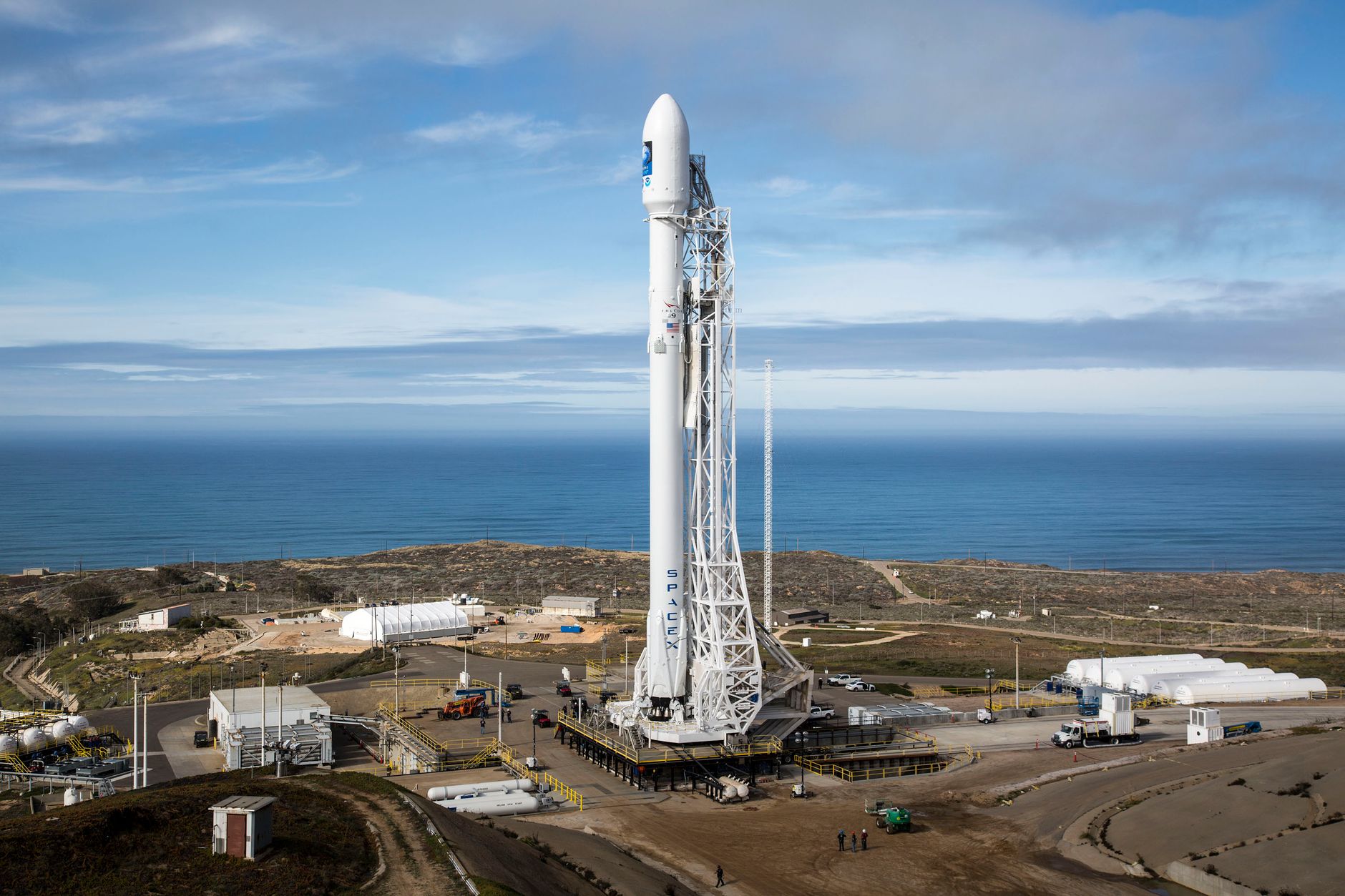
Falcon 9 retirement has sparked a notable rocket shortage, which is driving up launch costs across the industry. This situation is raising concerns among space companies and stakeholders alike.
Impact of Falcon 9 Retirement
The recent announcement regarding the Falcon 9 retirement has sent shockwaves through the aerospace industry, raising concerns about a looming rocket shortage. As SpaceX begins to phase out its Falcon 9 rockets, the implications for satellite launches and cargo missions are becoming increasingly evident.
Industry experts highlight several key impacts:
- Increased Launch Costs: With fewer available rockets, companies may face steep price hikes for launch services.
- Delayed Missions: The shrinking fleet means that many planned missions could experience significant delays.
- Market Competition: The retirement of such a reliable rocket may lead to a temporary imbalance in the market, benefiting competitors.
- Innovation Pressure: SpaceX’s decision to retire the Falcon 9 will place pressure on other firms to innovate and fill the gap.
As the aerospace community adapts to these changes, the long-term effects of the Falcon 9 retirement remain to be seen. Stakeholders are monitoring the situation closely, recognizing that the future of space exploration may hinge on how quickly new launch options can be developed and deployed.
Current Rocket Shortage Explained
The recent Falcon 9 retirement has triggered an unprecedented rocket shortage, causing significant shifts in the aerospace industry. As SpaceX phases out its workhorse Falcon 9 rocket, the consequences are becoming clear.
Industry experts note several factors contributing to the shortage:
- Decreased Production: With fewer Falcon 9 rockets available, companies relying on this model for satellite launches are now facing delays.
- Increased Demand: The demand for launches has surged, particularly from commercial satellite operators and government contracts. This growing need is not being met due to the limited number of available rockets.
- Limited Alternatives: While other rockets exist, they often lack the reliability and cost-effectiveness of the Falcon 9, making them less appealing to operators.
- Rising Costs: The shortage is driving up launch costs, as companies scramble to secure available slots, further complicating the situation.
Overall, the phased retirement of the Falcon 9 is reshaping the launch landscape, revealing vulnerabilities in supply chains and prompting many to reconsider their long-term strategies.
Future of Space Launches
The future of space launches is uncertain as the Falcon 9 retirement continues to reshape the landscape of the aerospace industry. With the phased retirement of this once-reliable rocket, stakeholders are grappling with significant challenges.
Experts predict that the ongoing rocket shortage will lead to increased launch costs, which could deter potential missions. This situation poses risks not only for commercial entities but also for government and scientific organizations that rely on timely access to space.
Several key factors are contributing to the evolving scenario:
- Emerging Alternatives: New rocket designs, while promising, still require time for development and testing.
- Supply Chain Issues: The pandemic has exacerbated existing supply chain vulnerabilities, delaying production timelines.
- Market Demand: A growing number of satellite launches and interplanetary missions increase pressure on available launch vehicles.
As the industry adapts, innovative solutions and collaborative efforts may emerge. However, the reality of the Falcon 9 retirement looms large, and the quest for reliable alternatives remains crucial for the future of space exploration and commercial ventures.
Cost Implications for Space Missions
The retirement of the Falcon 9 rocket has led to significant cost implications for upcoming space missions. With fewer reliable launch options available, companies are facing increased expenses that could affect their overall project budgets. The demand for launches has surged, yet the supply has dwindled due to the phased retirement of one of the most dependable rockets in the industry.
As a result, several key issues have arisen:
- Increased Launch Prices: With the Falcon 9 retirement, launch providers are raising their prices to accommodate the heightened competition for remaining rocket availability.
- Delayed Missions: Many planned missions are now postponed as space agencies and companies scramble to secure launch slots on alternative rockets.
- Investment Uncertainty: The volatility in launch costs may deter potential investors from financing new projects, fearing that increased expenses could impact the feasibility of their missions.
The current rocket shortage, exacerbated by the Falcon 9 retirement, is transforming the landscape of space exploration. Companies must adapt to these changes, which could reshape launch strategies and mission planning for years to come.
Photo by SpaceX on Pexels